
Luxury rental property maintenance standards in South Australia set a clear compliance floor for landlords managing premium assets. The Housing Safety Authority states that residential premises must be safe and suitable for habitation, and landlords must maintain these standards from the start of every tenancy. For high-end properties, that baseline is just the beginning. Premium rental property upkeep extends well beyond cosmetic presentation to cover structural integrity, moisture control, fire safety, ventilation, and the ongoing performance of high-value fixtures and appliances.
The core legislation governing these obligations in South Australia is the Residential Tenancies Act 1995 (SA), supported by the Housing Improvement Act 2016 and enforced by the Housing Safety Authority and the South Australian Civil and Administrative Tribunal (SACAT). Landlords who treat minimum standards as a ceiling rather than a floor expose themselves to tribunal orders, compensation claims, and reputational damage through the public Substandard Property Register.
Key maintenance categories every landlord must address:
- Structural condition: walls, ceilings, footings, and weatherproofing
- Moisture and damp control: waterproofing, drainage, and ground moisture barriers
- Safety devices: smoke alarms, external door locks, window latches, and security lighting
- Ventilation and natural light: adequate airflow and daylight access in all habitable rooms
- Mechanical systems: appliances, plumbing, gas, and electrical infrastructure
- Pest and vermin prevention: sealed entry points and grounds maintenance
Table of Contents
- Landlord repair obligations under the Residential Tenancies Act 1995 (SA)
- What minimum housing standards actually require in South Australia
- How SACAT handles maintenance disputes in luxury rentals
- Best practices for premium rental property upkeep and compliance
- HOSO Real Estate manages premium property compliance for Adelaide landlords
- Key takeaways
Landlord repair obligations under the Residential Tenancies Act 1995 (SA)
The Residential Tenancies Act 1995 (SA) s 68 places a non-negotiable repair duty on every landlord. The premises must be in reasonable repair at the start of the tenancy and kept in that condition throughout, having regard to the property's age, character, and prospective life. Critically, this obligation applies even if the tenant was aware of a defect before moving in.

A landlord is not automatically in breach the moment a defect appears. The Act requires that the tenant notify the landlord of the defect, and the landlord then fails to act with reasonable diligence to have it repaired. For luxury properties, where tenants pay a premium and expect a premium standard, "reasonable diligence" carries real weight at tribunal.
Urgent repairs, such as a gas leak or a failed hot water system, must be addressed promptly. The SA Government's repairs and maintenance guidance confirms that landlords must carry out all repairs within a reasonable time, and that a landlord who is aware of a problem and does not act may be in breach of the tenancy agreement. For non-urgent defects, written repair requests and documented responses are the standard process.
Core landlord duties for maintaining high-end rental property standards:
- Conduct a thorough condition report at tenancy commencement and retain it
- Respond to all written repair requests in writing, with a confirmed timeline
- Engage licensed tradespeople for all regulated work, including electrical and plumbing
- Test smoke alarms during every routine inspection
- Maintain all landlord-supplied appliances, including ovens, air conditioners, and gas heaters
- Keep grounds, drainage, and common areas free from rubbish and fire hazard
- Provide manufacturers' manuals for all appliances requiring instructions at the start of the tenancy
Pro Tip: Document every repair request, every response, and every completed job in a single chronological log. If a dispute reaches SACAT, a well-maintained repair record is the most effective evidence a landlord can produce.
Understanding why landlords need a property manager becomes clear when you map the volume of documentation these obligations generate across a premium portfolio.
What minimum housing standards actually require in South Australia
The Housing Improvement Act 2016 s 5 empowers the Governor to make regulations prescribing the standards residential premises must meet to be considered safe and suitable for habitation. Those regulations cover construction condition, cleanliness, environmental performance, drainage, ventilation, lighting, water and energy supply, fire safety, and protection from damp, dust, flooding, and vermin. The Housing Improvement Regulations 2017 translate these categories into specific technical requirements.
For landlords of luxury properties, these standards are not abstract. The Housing Improvement Regulations s 13 require, among other things, that premises be reasonably free from moisture and damp, that all external doors carry locks, that external windows have latches and flyscreens, that smoke alarms comply with Development Regulations 2008, and that any swimming pool meets the safety requirements under the Development Act 1993. A Toorak Gardens terrace and a Burnside family home face the same prescribed standards, regardless of weekly rent.
| Standard category | Key requirement | Landlord obligation |
|---|---|---|
| Fire safety | Smoke alarms per Development Regulations 2008 | Install, test, and maintain at every inspection |
| Moisture and damp | Premises reasonably free from damp and ground moisture | Waterproofing checks, drainage maintenance |
| Ventilation and light | Adequate ventilation and natural light in all habitable rooms | Inspect and repair ventilation systems regularly |
| Security | Locks on all external doors, latches on all openable windows | Replace or repair at tenancy start and when reported |
| Swimming pool safety | Compliance with Development Act 1993 | Annual safety barrier inspection and certification |
| Structural integrity | Rigid internal walls and ceilings, effective footings | Address any cracking, movement, or weatherproofing failure |
| Pest and vermin control | Grounds maintained to prevent infestation and fire hazard | Pre-tenancy pest treatment and sealed entry points |
Non-compliance carries real consequences. The Housing Safety Authority enforces compliance through Housing Improvement Orders and Rent Control Notices, and can list a property on the Substandard Property Register. A listing on that register is publicly visible and alerts prospective tenants and buyers that the property does not meet minimum standards. For a landlord managing premium assets in suburbs like Unley or Prospect, that is a reputational and financial exposure that far exceeds the cost of any repair.
How luxury investment properties differ from standard residential homes is relevant here: the compliance obligations are identical, but the cost of a defect in a high-value property, and the tenant's expectation of resolution speed, are both considerably higher.
How SACAT handles maintenance disputes in luxury rentals
SACAT is the primary forum for resolving repair and maintenance disputes between landlords and tenants in South Australia. Under the SACAT parties' rights framework, a tenant can apply for an order requiring the landlord to carry out repairs, for compensation related to losses from non-repair, or for termination of the tenancy. Landlords can also apply to SACAT to clarify rights and obligations or to address tenant breaches.
The most common landlord-side trigger for a dispute is delayed or refused repairs after written notice. Where a landlord fails to act and the disrepair causes personal injury risk, property damage, or undue inconvenience, the Residential Tenancies Act 1995 (SA) s 68 entitles the tenant to compensation and to recover the cost of repairs carried out by a licensed tradesperson. SACAT can order the landlord to pay that compensation directly.
Steps to protect yourself before a dispute reaches SACAT:
- Keep all repair requests and responses in writing, with dates and times
- Confirm repair completion with a licensed tradesperson's report stating the cause and work done
- Photograph defects before and after repair
- Record all tenant communications in a single file, organised by property and date
- Engage a licensed tradesperson for every regulated repair, never an unlicensed contractor
- Issue written notice of any scheduled inspection at least 48 hours in advance
The property management complaint process for SA landlords outlines how to handle escalating disputes before they reach tribunal, which is worth understanding before a situation deteriorates.
Best practices for premium rental property upkeep and compliance
Preventative maintenance is the most cost-effective approach to managing a luxury rental portfolio. Wet-zone waterproofing checks, ventilation testing, smoke alarm functionality, and appliance servicing should all sit on a fixed annual schedule, aligned with the Housing Improvement Regulations maintenance blueprint. Waiting for a tenant to report a defect in a premium property is a risk management failure, not a cost saving.
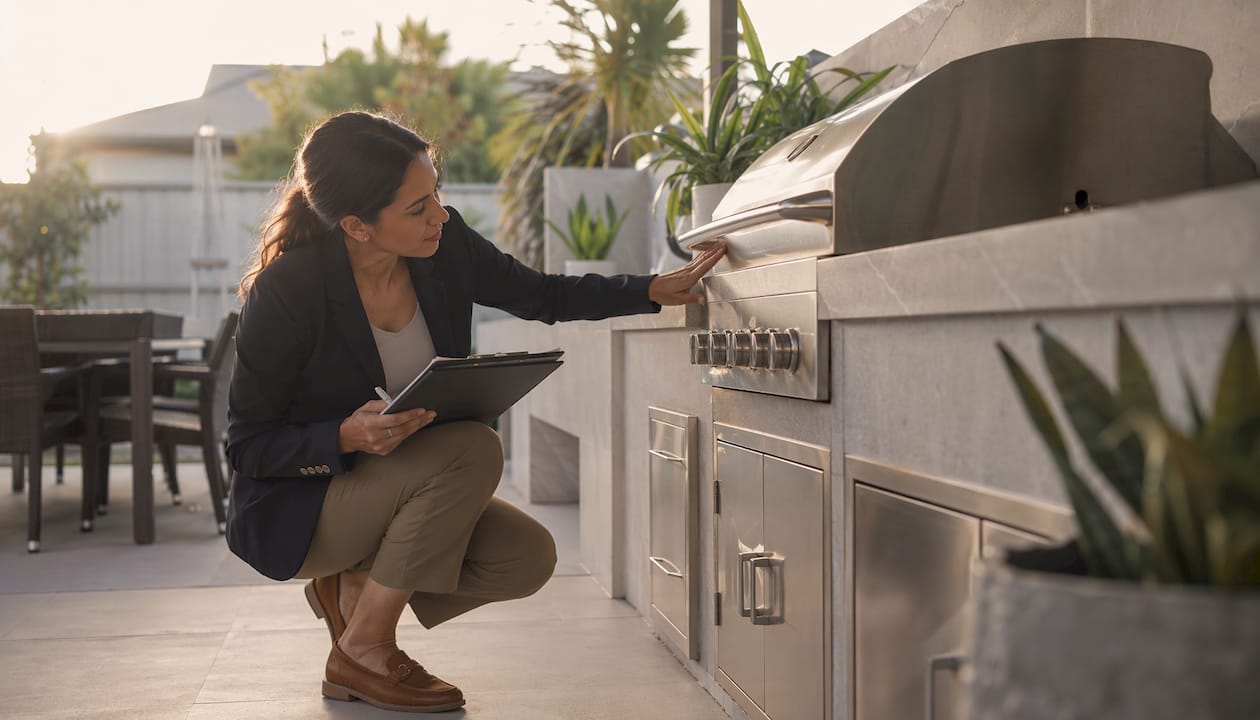
Condition reports at tenancy commencement are the single most important document in a luxury rental. They establish the baseline against which all future claims are measured. A detailed photographic record, signed by both parties, removes ambiguity from every subsequent dispute about damage, wear, or pre-existing defects. For properties with pools, saunas, or home automation systems, the condition report should include a functional checklist for each system.
The Residential Tenancies Act 1995 (SA) s 48(2) requires landlords to provide manufacturers' manuals or written instructions for all domestic facilities requiring instructions before or at the time the tenant commences occupation. For luxury properties with integrated home systems, wine fridges, or commercial-grade appliances, this is a practical protection as much as a legal one. A tenant who misuses an appliance they were never shown how to operate creates a dispute that the landlord is poorly positioned to win.
Recommended compliance management practices for high-end property maintenance:
- Schedule annual wet-zone and waterproofing inspections, particularly in bathrooms, laundries, and pool surrounds
- Test all smoke alarms at every routine inspection and document the result
- Service air conditioning, heating, and ventilation systems annually with a licensed technician
- Conduct a security audit at each tenancy changeover, replacing worn locks and testing window latches
- Monitor the Substandard Property Register for any portfolio properties that may have been flagged
- Use a digital maintenance log to track repair requests, responses, and completion dates
- Review compliance against Housing Improvement Regulations annually, not just at tenancy start
Pro Tip: Create an appliance instruction pack for each property, including manuals, warranty cards, and a one-page quick-reference guide for each major system. Hand it to the tenant at key handover and keep a copy in the property file. This single step reduces misuse claims and accelerates any warranty or service call.
Proactive property management structures these practices into a repeatable system, which is how landlords with multiple premium properties maintain consistent standards without reactive scrambling.
Smart home systems, including remote access monitoring, automated HVAC scheduling, and digital entry systems, are increasingly common in luxury rentals across suburbs like Norwood and Henley Beach. These systems generate their own maintenance obligations. Software updates, battery replacements in digital locks, and sensor calibration all need to be tracked and documented the same way physical repairs are.
HOSO Real Estate manages premium property compliance for Adelaide landlords
Landlords managing luxury rental properties in Adelaide carry a compliance load that goes well beyond routine upkeep. The legislative framework, the documentation requirements, the repair timelines, and the SACAT exposure all demand a structured, professional approach. HOSO Real Estate is built for exactly that.
HOSO Real Estate's property management services cover maintenance coordination, routine inspections, compliance management, condition reporting, and landlord advisory, all delivered with the detail and responsiveness that premium properties require. For interstate and overseas investors managing high-value Adelaide assets, that means a local team handling every repair request, every inspection, and every compliance obligation on your behalf.
The difference between a well-managed luxury rental and a liability is documentation, speed, and knowledge of the law. Contact HOSO Real Estate to discuss how professional property management protects your asset and your compliance position.
Key takeaways
Luxury rental property maintenance in South Australia requires landlords to meet prescribed minimum housing standards under the Housing Improvement Act 2016, maintain properties in reasonable repair under the Residential Tenancies Act 1995 (SA), and document every repair request, response, and completion to protect against SACAT disputes.
| Point | Details |
|---|---|
| Minimum standards are mandatory | The Housing Safety Authority requires all rental premises to be safe and habitable, regardless of rent level. |
| Repair obligations are unconditional | Under Residential Tenancies Act 1995 (SA) s 68, landlords must repair defects even if the tenant knew about them before moving in. |
| SACAT is the dispute forum | Tenants can apply to SACAT for repair orders, compensation, or tenancy termination when landlords fail to act. |
| Documentation is the primary defence | Detailed condition reports, repair logs, and licensed tradesperson reports protect landlords in any dispute. |
| HOSO Real Estate | Provides compliance-focused property management for premium Adelaide rentals, covering inspections, maintenance coordination, and landlord advisory. |