
Yes, you can issue a breach notice to a tenant in South Australia. The correct form is Form 5, published by Consumer and Business Services. For rent arrears, you must wait until rent has been unpaid for a period before serving it. The notice must name the tenant followed by "and all other occupants", state the specific dates and amounts owing, and describe exactly what remedy is required. A notice that omits any of these details is invalid, and an invalid notice means you cannot take possession, as the SA government's official guidance makes clear.
Download Form 5 directly from Consumer and Business Services before you do anything else. Complete it in full, serve it on the correct day using a permitted method, and keep proof of service. Those three steps determine whether your notice holds up at SACAT.
Key takeaways
Issuing a valid breach notice in South Australia requires the correct form, precise timing, and unimpeachable proof of service — all three are necessary for a notice to hold up at SACAT.
| Point | Details |
|---|---|
| Use Form 5 with required wording | Name the tenant plus "and all other occupants"; include specific dates, amounts, and remedy instructions. |
| Observe the 14-day arrears threshold | Serve no earlier than 14 full days after rent falls due; count only full days for all remedy periods. |
| Keep unimpeachable proof of service | Retain signed receipts, photographs, or certificates of posting; SACAT will examine service validity. |
| Build a complete evidence file | Rent ledger, communication log, inspection photos, and repair invoices must be consistent and dated. |
| HOSO Real Estate manages the process | HOSO handles form preparation, valid service, and SACAT-ready file assembly for Adelaide landlords. |
Table of Contents
- When can you issue a breach notice to a tenant in SA?
- Which statutory forms do you need for a breach notice?
- How to fill out Form 5 and document the breach
- How to serve the notice correctly and calculate timeframes
- What happens after you serve the breach notice?
- Top mistakes that invalidate breach notices
- Why precision and documentation protect your asset
- HOSO Real Estate handles breach notices and SACAT preparation
- Sources
When can you issue a breach notice to a tenant in SA?
The Residential Tenancies Act distinguishes between three categories of breach, and the process differs for each.
Unpaid rent (rent arrears)
- Rent must be unpaid for a period before a Form 5 can be served.
- Once served, the tenant has a defined period to pay the full amount owing.
- If rent remains unpaid after that period, the tenancy may terminate automatically under the Act if unpaid.
- Date arithmetic matters: if rent was paid to 1 September, the next payment is due 2 September, the first day in arrears is 3 September, and the earliest valid service date is a date at least 14 days after arrears began.
Remedial breaches (other than unpaid rent)
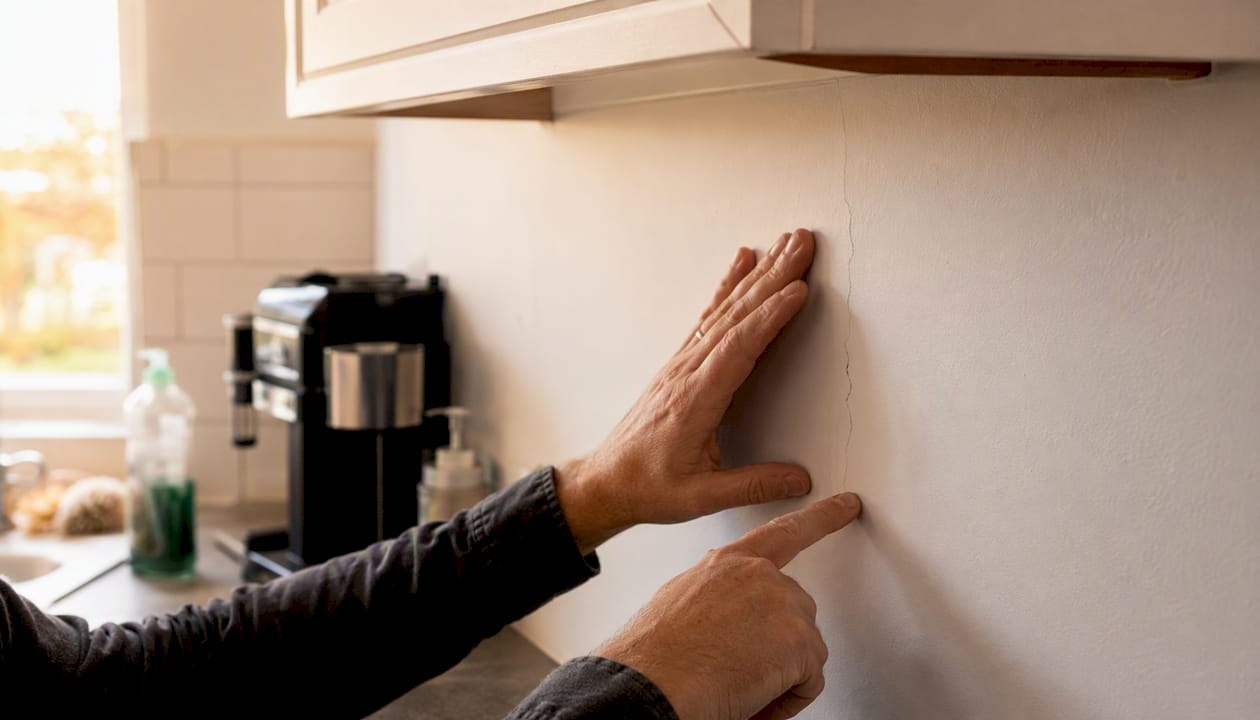
These cover property damage, nuisance, failure to provide access, and similar breaches of the tenancy agreement. The tenant receives seven days to remedy the breach. If they do not, you may apply to SACAT for termination or other orders.
Serious and repeat breaches
Some breaches, such as illegal use of the property or serious damage, may justify a direct application to SACAT without relying on a notice period. SACAT guidance confirms that a notice asking the other party to correct the breach is the required first step for most disputes, but serious breaches can bypass that step.
Knowing which category applies before you serve anything prevents the most common procedural error: issuing the wrong notice at the wrong time.
Which statutory forms do you need for a breach notice?
Using the correct prescribed form is not optional. SACAT expects the prescribed wording and structure, and an unofficial letter or email does not substitute for a statutory form. The official forms page lists every downloadable notice.
- Form 5 — Landlord's notice of breach to tenant (termination of agreement): The primary form for landlords. Use it for rent arrears and other remedial breaches. Parts 1–4 cover tenancy details, the breach description, the remedy date, and service method. This is the form SACAT will examine first.
- Form 2 — Notice to check if breach remedied: Issued after the remedy period expires to confirm whether the tenant has complied. It creates a formal record that the landlord checked compliance before escalating.
- Form 11 — Notice by tenant to landlord to remedy breach: The tenant's equivalent of Form 5. If a tenant serves this on you, it triggers your own remedy obligations and a separate timeline.
- Form A / Form A1 — Residential park notices: Used for residential park tenancies rather than standard residential leases. Not relevant for most private rental properties in suburbs such as Norwood, Prospect, or Unley, but worth knowing if your portfolio includes park sites.
When the breach involves multiple unpaid rental periods or detailed damage, attach a schedule to Form 5 and reference it clearly on the form itself. The schedule carries the detail; the form carries the legal weight.
How to fill out Form 5 and document the breach
A completed Form 5 that cannot be challenged at SACAT requires more than just filling in the blanks. Follow this sequence.
- Confirm tenancy details. Record the full address, the tenancy start date, and the names of all tenants on the agreement. Write each tenant's name followed by "and all other occupants" in the name field.
- List unpaid rental periods and the total amount. For rent arrears, specify each unpaid period (for example, "2 September 2025 to 16 September 2025") and the total dollar amount outstanding. Vague descriptions such as "rent owing" are insufficient.
- Describe the breach in plain, specific language. For damage breaches, state what was damaged, where it is located, and when it was first observed. Avoid general terms. "Damage to the rear fence at [address], observed during routine inspection on [date]" is specific; "property damage" is not.
- State the remedy and the remedy-by date. For rent arrears, the remedy is payment of the full amount owing within seven clear days of service. Write the exact calendar date by which payment must be received.
- Complete the service section. Record the method of service you intend to use and the date of service. Sign the form. If serving by email, the form must be physically signed and then scanned before sending, as Form 5 itself specifies.
- Attach supporting evidence. Staple or reference the rent ledger extract, bank statements showing non-payment, inspection photos, repair invoices, or communication logs as a schedule.
- Copy and file originals. Save a time-stamped PDF of the completed form, note who served it and how, and store everything in the tenancy file.
Evidence to gather before you serve:
- Rent ledger showing each unpaid period
- Bank statements confirming no payment received
- Dated communication history (emails, SMS, written notices)
- Inspection photos with timestamps
- Repair invoices or quotes for damage breaches
- Signed delivery receipts or proof of posting
For damage-related breaches, a property condition report completed at the start of the tenancy is the single most useful piece of evidence. It establishes the baseline condition and makes the contrast with current damage undeniable. Understanding fair wear and tear versus tenant damage is equally important: SACAT will not award compensation for normal deterioration, so your evidence needs to show damage beyond that threshold.
Pro Tip: Add "and all other occupants" after every tenant name on the form, and count only full days when calculating the remedy-by date. Both details are checked at SACAT, and missing either one can invalidate an otherwise complete notice.
How to serve the notice correctly and calculate timeframes
Service is where technically correct notices most often fail. SACAT will examine service validity closely, and a notice served by the wrong method or on the wrong day is treated as if it was never given.
Permitted service methods:
- Personal delivery to the tenant at the rental address
- Leaving the notice at the address with an adult occupant
- Posting to the rental address (allow standard postal delivery time on top of the notice period)
- Email, but only where the tenancy agreement expressly permits electronic service, and the form must be signed before scanning
How to count full days:
The Act requires full-day counting. The day of service does not count as day one. For a notice served on 17 September, day one is 18 September. A seven-day remedy period therefore expires at the end of 24 September, not 23 September. Getting this wrong by even one day can invalidate the notice.
For rent arrears: if rent was paid to 1 September, the next payment is due 2 September, the first day in arrears is 3 September, and the earliest valid service date is 17 September — that is 14 full days after the arrears began.
Proof of service to keep:
- Signed receipt from the tenant (best option)
- Photograph of the notice placed at the address, with a timestamp
- Email delivery receipt and read receipt where applicable
- Australia Post certificate of posting for posted notices
Storing digital evidence with timestamps in a dedicated tenancy file means you can produce it at SACAT without searching through inboxes or paper folders under pressure.
What happens after you serve the breach notice?
The outcome depends entirely on whether the tenant remedies the breach within the required period.
| Scenario | Tenant's position | Landlord's next step |
|---|---|---|
| Tenant pays rent in full within 7 days | Breach remedied; tenancy continues | No further action required; update rent ledger |
| Tenant does not pay within 7 days (rent arrears) | Tenancy may terminate automatically under the Act | Apply to SACAT for possession order if tenant remains |
| Tenant remedies other breach within 7 days | Breach remedied; tenancy continues | Serve Form 2 to confirm compliance; retain records |
| Tenant does not remedy other breach within 7 days | Breach not remedied | Apply to SACAT for termination or compensation orders |
| Tenant disputes the breach | Tenant may apply to SACAT | Prepare full evidence file; attend tribunal |
For unpaid rent, automatic termination under the Act does not mean the tenant leaves voluntarily. If the tenant remains in the property after the termination date, you need a SACAT possession order before you can take back the property. Attempting to remove a tenant without that order is unlawful.
When applying to SACAT, attach the following to your application:
- The completed Form 5 and any schedule
- Proof of service
- The rent ledger covering the full arrears period
- Communication history with the tenant
- Form 2 if you served it to check compliance
The Law Handbook notes that a tenant who wants to preserve the tenancy may apply to SACAT for orders declaring they are not in breach or have remedied it. SACAT has power to reinstate a tenancy if it considers that just and equitable. That means your evidence file needs to be complete and consistent, not just sufficient on the surface.
For a full walkthrough of the escalation steps after a breach notice, the SA tenancy termination process guide covers the SACAT application workflow in detail.
Top mistakes that invalidate breach notices
Most notices that fail at SACAT fail for procedural reasons, not factual ones. The breach was real; the paperwork was wrong.
- Serving too early for rent arrears. The 14-day threshold is a hard floor. A notice served on day 13 is invalid, and you must restart the count.
- Missing "and all other occupants." If the form names only the primary tenant, occupants not named can argue the notice does not bind them. SACAT has rejected notices on this basis.
- Vague breach descriptions. "Tenant owes rent" without dates and amounts, or "property damaged" without specifics, gives the tenant grounds to challenge the notice as insufficiently particularised.
- Unsigned or improperly emailed notices. An email containing an unsigned Form 5 is not valid service. The form must be signed, scanned, and then emailed, and only where the tenancy agreement permits electronic service.
- No proof of service. Telling SACAT you served the notice is not evidence. A signed receipt, photograph, or certificate of posting is.
- Inconsistent rent ledger. If your ledger shows different amounts in different documents, SACAT will question the accuracy of your records. Reconcile the ledger before you serve.
- Gaps in the communication log. A complete, dated record of every contact with the tenant strengthens your case. Gaps suggest the landlord did not follow up, which can affect SACAT's view of the dispute.
Maintaining professional tenant communication standards from the start of the tenancy means your communication log is already in order when a breach arises. Retrofitting records after the fact is both difficult and unconvincing.
If you identify an error after serving a notice, the fix is straightforward: correct the form, re-serve on the correct day, and restart the remedy period. Attempting to rely on a defective notice at SACAT wastes time and costs rent.
Why precision and documentation protect your asset
A technically invalid breach notice does not just delay possession. It resets the entire process, and during that reset the tenant remains in the property, rent may continue to go unpaid, and the property may sustain further damage. The cost of a procedural error is measured in weeks of lost rent and additional legal steps, not just inconvenience.
HOSO Real Estate's approach to breach notices treats the form and the evidence file as equally important. The form establishes the legal basis; the evidence file wins the tribunal hearing. Landlords who arrive at SACAT with a complete, consistent file — rent ledger, communication log, inspection photos, proof of service — resolve disputes faster and with less exposure than those who rely on the notice alone.
The Adelaide rental compliance requirements that apply to SA landlords make this discipline non-negotiable. SACAT expects landlords to have followed the correct process at every step, and the tribunal's scrutiny of service validity and evidence quality is thorough.
If there is any doubt about whether a notice is correctly prepared or served, get procedural guidance before serving. A short delay to confirm compliance is always preferable to an invalid notice that forces a restart.
HOSO Real Estate handles breach notices and SACAT preparation
Managing a breach notice correctly, from form completion through to tribunal-ready evidence, requires precision at every step. HOSO Real Estate provides landlords and investors across Adelaide with exactly that: correct form preparation, valid service, and a complete SACAT-ready file if the breach is not remedied.
HOSO's property management service covers evidence collation, rent ledger maintenance, communication documentation, and SACAT application preparation. Landlords who engage HOSO do not need to track remedy deadlines, count full days, or assemble tribunal files under pressure. That work is handled as part of the management process.
For landlords who want to manage the process themselves, the forms and guides page provides practical resources and compliance checklists. For those who want professional support from the first breach notice through to possession, contact HOSO Real Estate through the services page to discuss a compliance review or ongoing property management.
Sources
The following sources are the primary references for breach notice requirements, official forms, and SACAT procedures in South Australia. Rely on these when preparing or verifying a notice.
- Eviction and breaking the lease agreement — SA government
- Where there is a breach by the tenant — Law Handbook (SA)
- Form 5 - Landlord's notice of breach to tenant - termination of agreement — Consumer and Business Services (SA)
- Breaches — South Australian Civil and Administrative Tribunal (SACAT)
The Residential Tenancies Act is the governing legislation. Where any guidance conflicts with the Act's text, the Act prevails. For complex disputes or serious breaches, consult a legal practitioner or contact SACAT directly before serving.
This article is general information, not a substitute for advice from a qualified lawyer. Consult a qualified legal professional about your own circumstances before acting on anything here.