
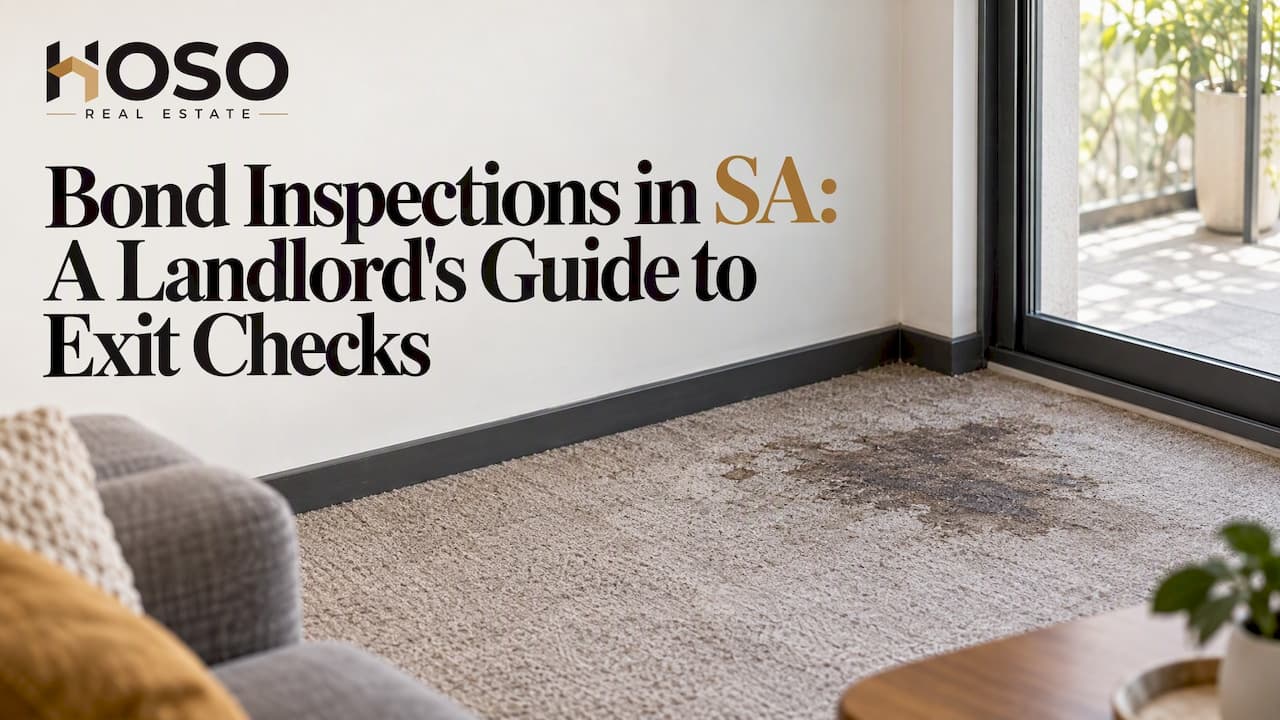
A bond inspection in South Australia is the final inspection at the end of a tenancy. The landlord or agent compares the property with the inspection sheet signed at the start, then decides whether any part of the bond should be claimed. The comparison decides the outcome. If your paperwork is complete, the process is routine. If it is thin, a reasonable claim can fail. This guide covers what the law expects, how to run the inspection, and how to build a file that stands up if the matter reaches the South Australian Civil and Administrative Tribunal (SACAT).
TL;DR
- The inspection sheet signed at the start of the tenancy is the benchmark for the exit inspection. Without it, a bond claim is hard to prove.
- Inspect together with the tenant where possible, and photograph every room on the day, with dates.
- Claim only for damage beyond fair wear and tear, cleaning and unpaid rent, and back each item with an invoice, quote or record.
- If the parties cannot agree, SACAT decides, and it looks for documents rather than recollections.
- Routine inspections during the tenancy are capped at four a year, so use them to build the paper trail before the exit check.
Table of Contents
- What a bond inspection is, and what it is not
- The inspection sheet: where the claim is won or lost
- Routine inspections build the paper trail
- How to run the final inspection, step by step
- Fair wear and tear versus claimable damage
- If the tenant disputes the claim: SACAT
- Choosing a building inspector when the exit check finds bigger problems
- Our view: the bond inspection starts on day one
- Common mistakes that weaken a bond claim
- A worked example
- How we can help
- FAQ
- Sources
What a bond inspection is, and what it is not
"Bond inspection" is the phrase most landlords and tenants use. The formal terms are less catchy. In SA the condition record is called an inspection sheet, and the end-of-tenancy check is simply the final inspection. Whatever the label, the purpose is the same: establish whether the property has come back in the condition it left, allowing for ordinary wear.
The SA Law Handbook says both the tenant and the landlord, or the landlord's agent, should inspect the premises at the end of the tenancy. That is guidance worth following literally. A joint walk-through lets the tenant see what you see, and it often settles small points on the spot.
It is also worth separating this from a building inspection. Searches for "bond inspections SA" often return pre-purchase building and pest inspections, which are a different service for buyers. This article is about the rental exit check.
The inspection sheet: where the claim is won or lost
The exit inspection is only as good as the entry record. Under the SA rules, the landlord or agent must complete an inspection sheet when the tenancy agreement is entered into, and give the tenant one signed copy. The SA Law Handbook describes it as an itemised record of the contents and condition of the premises. Consumer and Business Services publishes a standard inspection sheet you can use as a template.
SACAT's own guidance on end-of-tenancy disputes lists the initial inspection sheet first among the evidence it expects. In practice, the party with the most thorough documentation tends to do best. A verbal understanding about a stained carpet or a marked wall will not carry much weight against a blank line on a sheet.
What a strong inspection sheet contains
- Room-by-room entries for walls, ceilings, floors, window coverings, fixtures, fittings and appliances.
- Specific descriptions rather than "good" or "fair". "Two small nail holes, north wall of bedroom 2" beats "walls fine".
- Dated photographs that match the entries, including the garden, garage and any outdoor areas the tenant will maintain.
- Meter readings, the number of keys and remotes issued, and the condition of any smoke alarms.
- Signatures from both parties, with the date.
We cover the wider approach in our post on property condition report best practices for landlords. If you are building the entry record now, start there.
Routine inspections build the paper trail
The exit check should never be the first time you have looked at the property in months. During the tenancy, routine inspections show how the property is being kept, and they flag small problems before they become claims.
The rules are specific. According to SA.GOV.AU, a landlord can inspect four times a year unless SACAT orders otherwise, after giving 7 to 28 days' written notice, and within a two-hour window during normal hours. Those hours are 8am to 8pm, excluding Sundays and public holidays. The same page explains that if you intend to photograph a tenant's personal possessions, you need to give 7 days' written notice, and written consent is needed before any images are published or distributed.
The four-inspection cap took effect in July 2024. Exceeding it without a SACAT order exposes a landlord to complaints about privacy and harassment, and it undermines your credibility if you later ask the tribunal to rely on your records. Spacing the four visits sensibly matters more than it sounds. For example:
- An early inspection, a few months in, to confirm the tenant is settled and the property is being cared for.
- A mid-tenancy inspection that checks maintenance items such as gutters, wet areas and garden.
- A later inspection to look at wear in high-use areas.
- A pre-exit inspection, held close to the end of the lease period, which tells you what cleaning or repair conversation is coming.
Our SA landlord inspection checklist walks through what to look at on each visit, and our post on the four inspections rule for student rentals in Adelaide shows how the cap affects higher-turnover tenancies in suburbs such as Adelaide's inner north and around the universities.
How to run the final inspection, step by step
The SA.GOV.AU moving out guidance gives tenants a checklist for leaving. A landlord's version of the same process looks like this.
Before the day
- Pull the signed inspection sheet and its photographs. Print them, or have them open on a tablet.
- Review the last routine inspection report so you know about any existing issues.
- Confirm the handover time with the tenant in writing, and agree who will attend.
- Check that all rent is paid up to the vacate date, and note any other tenant-responsible amounts.
On the day
- Walk the property room by room, in the same order as the inspection sheet.
- Note each difference against the original entry. Use the same wording style so the two documents can be read side by side.
- Photograph every room and any problem area, with the date recorded. Take wide shots and close-ups.
- Test appliances, taps, windows, locks and fixtures that appear on the sheet.
- Check the garden, driveways, bins and outbuildings.
- Count keys, remotes and swipe cards.
- Invite the tenant to comment, and record anything they say, or any point you both agree on.
After the day
- Complete the exit record promptly while details are fresh.
- Obtain quotes or invoices for any cleaning or repairs you plan to claim.
- Send the tenant a clear, itemised summary of what you intend to claim and why.
- If the tenant agrees, process the bond release as agreed. If they do not, you have the option of applying to SACAT.
Fair wear and tear versus claimable damage
This is where most disagreement sits. A tenancy bond is intended to cover unpaid rent, damage beyond fair wear and tear, and cleaning or bills the tenant is responsible for. It is not a fund for refreshing a property that has simply aged during a lease.
The distinction is practical:
| Likely fair wear and tear | Likely claimable |
|---|---|
| Fading of curtains or paint from sunlight | Holes in walls larger than normal picture-hook marks |
| Light carpet wear along walkways | Burns, stains or pet damage in carpet |
| Minor scuffs on skirting boards | Broken fixtures, doors or windows |
| Worn grout or ageing seals | Mould caused by blocked ventilation or neglect |
| Gradual wear on hinges and handles | Missing items listed on the inspection sheet |
The table is a guide, not a ruling. The age of an item matters, and so does the length of the tenancy. A carpet that was already ten years old at the start will not support a claim for its full replacement value. Any claim should reflect the age and remaining life of what was damaged, which is a point a tribunal is likely to consider. For finer points, our Adelaide rental compliance explainer and landlord obligations guide sit alongside this article.
If the tenant disputes the claim: SACAT
When the landlord and tenant cannot agree, the dispute goes to SACAT. SACAT's end-of-tenancy dispute page says applications are primarily handled through its online portal. It also sets out the evidence that supports a bond or compensation claim:
- the initial inspection sheet
- dated photographs of the property's condition at the end of the tenancy
- relevant invoices or quotes for repairs and cleaning
- records of communication between landlord and tenant
- rent records
That list is a useful checklist for the exit inspection itself. If you finish the day with each item in a folder, you are ready for the tribunal whether or not you ever need it.
A few habits make the difference:
- Keep a summary and the evidence. A summary of what you are claiming is a starting point only. Each line needs its own proof. We make this point in detail in Rental Bond Claims in SA: Landlords Need Evidence, Not Just a Summary.
- Write down communication. Emails and messages about cleaning, repairs or keys carry weight. Phone conversations that are not noted do not.
- Stay factual. Describe the condition and the cost. Avoid commentary on the tenant's character.
- Match the claim to the record. If something was already marked on the entry sheet, it will not support a claim.
Where the dispute includes serious breaches or termination, the tribunal process has its own rules. The Housing Safety Authority notes that owners must apply to SACAT to terminate a lease or evict a tenant in certain prescribed situations, so take advice on that path before acting.
Choosing a building inspector when the exit check finds bigger problems
Sometimes an exit inspection reveals more than cleaning and scuffs. Water damage, cracking, a failed roof section or suspected structural movement call for a qualified assessment before you decide on repairs or claims.
As of the most recent public consultation, South Australia does not require residential building inspectors to be licensed. Consumer and Business Services has proposed a registration scheme for inspectors, and the government has flagged consumer risk in the current arrangements. Until a scheme exists, the checking falls to you:
- Ask for evidence of Professional Indemnity and Public Liability insurance.
- Request a recent sample report, and read it for clarity, photographs and plain recommendations.
- Ask about relevant trade or construction experience, and any voluntary industry membership.
- Make sure the report will be addressed to you, and describes the areas it could not access.
If the findings lead to a substantial repair or renovation programme between tenancies, planning matters as much as the inspection. A general guide to managing a house renovation project is a useful read for thinking about sequencing, trades and scope, even though it is written for a different market. Check local requirements for any work in South Australia.
Our view: the bond inspection starts on day one
We manage rental properties in Adelaide, and we do not handle sales. That focus shapes how we think about the exit check. By the time a tenant hands back the keys, the result is largely settled by what was recorded on the first day and across the tenancy.
Three things we hold to:
- The entry record is the asset. A detailed, photographed, signed inspection sheet protects an owner more than any later effort. We would rather spend the time at the start than argue at the end.
- Tenant quality reduces disputes. Our four-layer tenant screening process is built to put reliable people into your property, which is the most effective way to reduce the chance of a contested bond claim.
- Owners should see the evidence. Through our 24/7 owner portal, landlords can follow the property's records rather than relying on a summary. Interstate and busy owners in particular should not have to take a condition report on trust.
We also encourage owners to be realistic. Not every mark is claimable, and a measured claim, well documented, is more likely to succeed than a long list that overreaches. Our approach to inspection standards for higher-end homes is set out in luxury rental property maintenance standards, and the principle applies to any investment property: keep the standard visible, and keep records.
— HOSO
Common mistakes that weaken a bond claim
- No signed entry sheet. If the tenant never received a signed copy, or the sheet was generic, the baseline is weak.
- Photos without dates or context. A folder of undated images is easy to challenge.
- Claiming for betterment. Asking the tenant to pay for brand-new items to replace worn ones rarely holds up.
- Quotes that arrive after the claim. Gather them early, and keep them itemised.
- Over-inspecting. Going beyond the four-visit cap creates its own problem. Review our rent increase guide for SA and compliance posts for other timing rules that landlords tend to miss.
- Informal agreements. A verbal promise to fix a gate or repaint a room should be in writing, or it effectively does not exist.
- Skipping tenant checks at the start. Strong screening, including tenancy database checks that are ready for SACAT, reduces the chance of ending up in dispute at all.
A worked example
Take an investment house in a suburb such as Glenelg East, let for two years. The entry sheet records the lounge carpet as "clean, no stains", with photographs. At the exit inspection, there is a large dark stain near the sliding door that does not appear in the original images.
The landlord photographs it with the date visible, notes its size and position, and gets a cleaning quote. The cleaner reports that the stain cannot be removed. The landlord then obtains a quote for replacing that section, and considers the carpet's age before deciding what portion to claim. The tenant is sent an itemised summary with the photos, the entry sheet extract and the quote.

If the tenant disagrees, every item SACAT asks for is already on file. Compare that with a landlord who has only a note saying "carpet damaged". The facts could be identical, but the outcomes may not be.
How we can help
If you would rather not carry the inspection workload yourself, our team handles entry condition reports, routine inspections and exit checks as part of full property management for Adelaide landlords. Our 60-day satisfaction guarantee lets new owners see the standard of our work before committing for the long term. If you are thinking about leasing a property, you can start with a rental appraisal.
FAQ
How often are routine inspections done in South Australia?
A landlord can carry out up to four routine inspections a year, unless SACAT orders otherwise. Written notice of 7 to 28 days is required, and the entry must fall within a two-hour window between 8am and 8pm, excluding Sundays and public holidays. Check the current SA.GOV.AU guidance before booking.
Do I need the tenant present at the final inspection?
The SA Law Handbook says both parties should inspect the premises at the end of the tenancy. A tenant who attends can raise concerns and agree on findings at the time. If they cannot attend, document the property thoroughly and give them a copy of your exit record promptly.
What evidence do I need for a bond claim?
SACAT looks for the initial inspection sheet, dated photographs from the end of the tenancy, invoices or quotes for repairs and cleaning, and records of communication. Rent records also matter where arrears are claimed. The more of these you hold, the stronger your position.
Are building inspectors licensed in South Australia?
Not currently for residential inspections, although the state government has consulted on a registration scheme. Ask any inspector for proof of insurance and a sample report, and treat reputation and track record as part of your checks.
Sources
- SA.GOV.AU: Landlord's rights to enter a property
- SACAT: End-of-tenancy disputes
- SA Law Handbook: Finalising a tenancy
- SA Law Handbook: Inspection sheets
- Consumer and Business Services: Inspection sheet
- SA.GOV.AU: Moving out of your rental property
- Housing Safety Authority: Property owners and landlords
- YourSAy: Registration of residential building inspectors
- Consumer and Business Services: New protections proposed for South Australian home buyers
- House renovation project management guide