
Effective communication is the single most controllable factor in property management, and the data confirms it directly affects your rental income, vacancy rates, and legal exposure. Communication breakdowns cause more property issues than maintenance failures, with most disputes traced back to misunderstood expectations rather than physical problems. For landlords and investors in South Australia, understanding why communication matters in property management is not optional. It is the foundation of a profitable, well-protected portfolio.
How does effective communication reduce tenant turnover and vacancy rates?
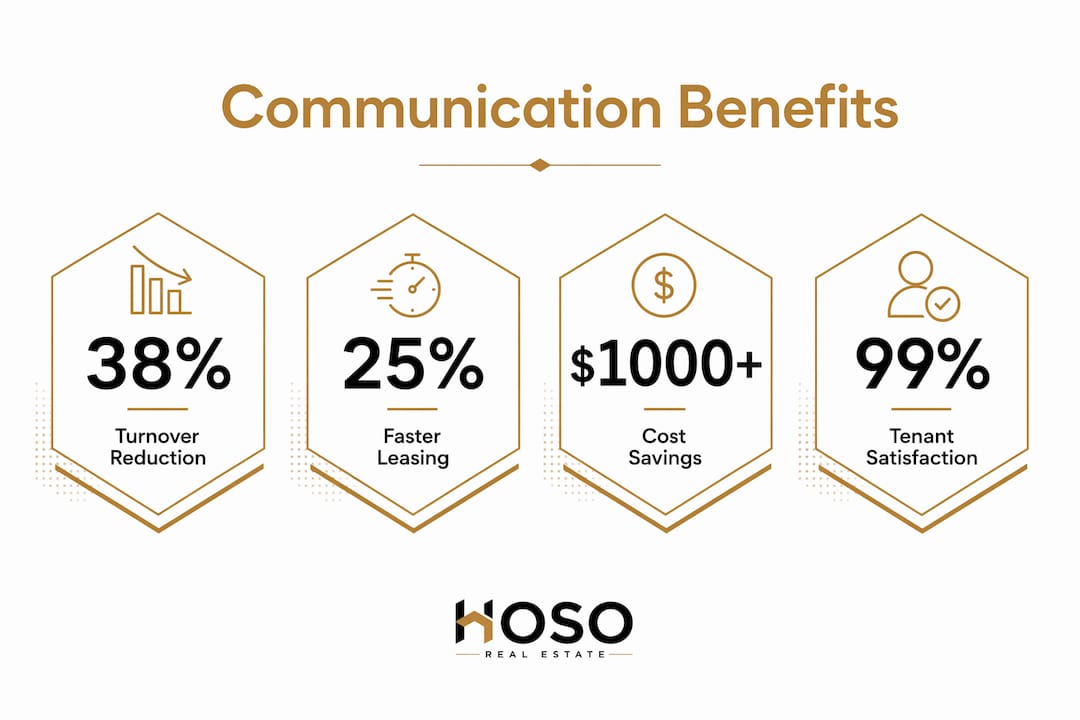
Tenant turnover is one of the most expensive events in property management. Beyond lost rent, landlords face reletting costs, cleaning, and the time a property sits vacant between tenancies. Proactive tenant communication reduces annual turnover by 38% and cuts vacancy periods from 21 days to 9 days. That is a direct improvement to your net return, not just a feel-good metric.

The mechanism is straightforward. Tenants who receive regular updates, prompt responses to maintenance requests, and advance notice of inspections feel respected. That sense of respect translates into lease renewals. Tenants who feel supported are more likely to renew, which minimises the hidden turnover costs that erode gross rental income.
Specific communication touchpoints that build tenant trust include:
- Pre-move-in contact: A welcome message confirming lease start details and emergency contact numbers sets a professional tone from day one.
- Routine inspection notices: Providing more notice than the legal minimum signals respect and reduces tenant anxiety.
- Maintenance follow-ups: Closing the loop after a repair is completed, even with a brief message, shows accountability.
- Lease renewal outreach: Contacting tenants six to eight weeks before lease expiry gives both parties time to plan without pressure.
Pro Tip: Set a calendar reminder to contact tenants at the halfway point of their lease. A brief check-in, asking whether everything is in order, costs nothing and significantly increases the chance of renewal.
For Adelaide landlords managing properties in suburbs like Norwood, Prospect, or Unley, where rental demand is competitive, tenant retention is often more valuable than chasing marginal rent increases. A vacant property in a sought-after suburb still costs money every week it sits empty.
What are the communication obligations for property owners in South Australia?
Communication in property management is not only good practice. In South Australia, parts of it are legally required. SA tenancy standards require landlords to provide tenants with key documentation and contact details in writing before a tenancy begins. If your contact details change during a tenancy, you must notify the tenant in writing within 14 days.
Failing to meet these obligations creates legal exposure. If a tenant cannot reach you or your agent during an emergency, the consequences range from SACAT disputes to liability for damages. Clear documentation also protects you. Written records of notices, agreements, and communications are your primary defence if a dispute reaches the South Australian Civil and Administrative Tribunal.
The core written communications every SA landlord must manage include:
- Tenancy agreement and condition report: Provided and signed before or at the start of the tenancy.
- Entry notices: Required in writing with the correct notice period before any inspection or maintenance access.
- Rent increase notices: Must be delivered in writing with the required notice period under the Residential Tenancies Act 1995 (SA).
- Breach notices: Issued in the prescribed form when a tenant fails to meet their obligations.
- Contact detail updates: Any change to landlord or agent contact information must be communicated in writing within 14 days.
Documented communication is your legal shield. Every written notice, every follow-up message, and every signed acknowledgement creates a paper trail that protects your investment if a dispute escalates to SACAT.
Understanding SA tenancy documentation requirements is not just about compliance. It is about reducing the risk of disputes that cost time, money, and stress.
How does technology improve communication for property owners and managers?
Digital tools have changed what is possible in property management communication. Online portals increase transparency and free time for relationship building between property managers, landlords, and tenants. The practical effect is that routine updates happen automatically, and the time saved goes toward conversations that actually require human judgement.
The table below shows how digital communication tools compare to traditional methods across key property management tasks.
| Task | Traditional approach | Digital approach |
|---|---|---|
| Maintenance requests | Phone calls, paper forms | Online portal with photo upload and status tracking |
| Rent payment updates | Manual statements by post or email | Automated real-time notifications |
| Inspection scheduling | Phone or letter | Automated notice with digital confirmation |
| Landlord reporting | Monthly PDF emailed manually | Live dashboard with vacancy, arrears, and lease data |
| Lease renewal reminders | Manual diary follow-up | Automated alerts at set intervals before expiry |
The shift from manual to digital does not remove the human element. It redirects it. Automating admin tasks allows property managers to focus on building trust and personalised client relationships. For investors managing properties from interstate or overseas, a live reporting dashboard is not a luxury. It is the difference between informed decision-making and guesswork.
Pro Tip: When evaluating a property manager, ask specifically what their owners' portal shows in real time. If they cannot demonstrate live vacancy, arrears, and maintenance data, their reporting is reactive rather than proactive.
Exploring property management digital tools purpose-built for SA investors gives you a clearer picture of what modern management should look like in 2026.
How should landlords handle difficult conversations and conflict resolution?
Difficult conversations are unavoidable in property management. Rent increases, lease terminations, and breach notices all carry the potential for conflict. The way these conversations are handled determines whether a dispute resolves quickly or escalates to SACAT.
Mediation success rates exceed 70% when preceded by documented communication. That figure reflects a clear principle: tenants who have received clear, respectful written communication before a formal dispute are far more likely to engage constructively in resolution.
Effective practices for difficult conversations include:
- Lead with facts, not frustration. State the issue clearly, reference the relevant clause in the tenancy agreement, and outline the required action. Avoid language that could be read as threatening or dismissive.
- Confirm everything in writing. A phone call is useful for tone. A follow-up email or letter is what protects you legally.
- Explain the "why" behind decisions. Landlords prefer property managers who explain the reasoning behind decisions and follow up with written confirmation. The same principle applies when landlords communicate directly with tenants.
- Use the correct prescribed forms. In South Australia, breach notices and termination notices must use the forms prescribed under the Residential Tenancies Act 1995 (SA). Using the wrong form can invalidate the notice entirely.
- Allow reasonable response time. Giving a tenant time to respond before escalating demonstrates good faith and is viewed favourably by SACAT if the matter proceeds.
The goal is not to win an argument. The goal is to resolve the issue at the lowest possible cost, in the shortest possible time, with the least damage to the tenancy relationship.
How can landlords apply communication strategies to protect their investment in 2026?
Protecting a property investment in 2026 requires more than selecting the right property. It requires a structured approach to communication that runs throughout the tenancy lifecycle. Early outreach on rent arrears reduces arrears by 43%, with rental arrears dropping from 3% to 1.7% following prompt SMS communications. That kind of result does not happen by accident. It happens through process.
Landlords can apply the following steps to integrate effective communication into their property management approach:
- Establish a reporting rhythm with your property manager. Agree on how often you receive updates, what those updates include, and the preferred communication channel. Monthly written reports are a minimum standard.
- Track key metrics in writing. Vacancy rates, arrears trends, and maintenance response times should be documented and reviewed regularly. If your property manager cannot provide this data, that is itself a communication problem.
- Request advance notice of lease expiries. A good property manager contacts you at least eight weeks before a lease expires. If you are not receiving that contact, ask for it explicitly.
- Build tenant rapport through your property manager. Authorise your manager to send seasonal check-ins, acknowledge long-term tenancies, and respond to maintenance within agreed timeframes. These small gestures reduce turnover.
- Review your communication obligations annually. SA tenancy legislation evolves. What was compliant in 2024 may require updating in 2026. A proactive property management approach includes staying current with legislative changes.
Net return, not gross rental income, is the true measure of investment performance. Poor communication that triggers tenant turnover can cost thousands in vacancy and reletting expenses. Structured communication prevents that loss before it occurs.
Key takeaways
Effective communication in property management directly reduces vacancy periods, prevents disputes, and protects net rental returns for SA landlords.
| Point | Details |
|---|---|
| Turnover reduction | Proactive tenant communication reduces annual turnover by 38% and cuts vacancy from 21 to 9 days. |
| Legal compliance | SA landlords must provide written contact details and notices within prescribed timeframes under the Residential Tenancies Act 1995 (SA). |
| Technology advantage | Digital portals automate routine updates and give landlords real-time visibility over arrears, vacancies, and maintenance. |
| Conflict resolution | Documented communication before disputes increases mediation success rates above 70%, reducing SACAT escalations. |
| Arrears control | Early SMS outreach on overdue rent reduces arrears by 43%, directly improving cash flow stability. |
What I have learned about communication in property management
The most common mistake I see landlords make is treating communication as something that happens when there is a problem. By that point, the damage is already done. A tenant who has not heard from their property manager in three months does not feel like a valued occupant of a well-managed property. They feel like a number. And when their lease comes up for renewal, they leave.
The properties that perform best over time are not always the ones in the most desirable suburbs or with the highest asking rents. They are the ones where the landlord and property manager have built a communication rhythm that runs quietly in the background. Tenants receive prompt responses. Landlords receive regular reports. Issues are addressed before they escalate. That consistency is what keeps good tenants in place and keeps vacancy periods short.
Client education differentiates property managers and enables them to lead landlords confidently through market changes. That is not a soft skill. It is a business skill. A property manager who can explain a rent increase strategy, walk a landlord through a breach process, or advise on a lease renewal negotiation with clear data is protecting your asset as much as any routine inspection.
The landlords who get the best outcomes are the ones who ask for more communication, not less. They want the monthly report. They want the pre-expiry call. They want to know what is happening before it becomes a problem. That mindset, combined with a property manager who shares it, is the most reliable path to strong long-term returns.
— HOSO
Property management that puts communication first
HOSO Real Estate builds communication into every stage of the property management process, from tenant onboarding through to lease renewal and beyond. Landlords receive regular written reports, real-time access to key portfolio data, and direct contact with a dedicated property manager who understands the SA market. Tenants receive prompt responses, clear notices, and the kind of consistent engagement that keeps them in place. If you are looking for professional property management in Adelaide that treats communication as a core function rather than an afterthought, HOSO Real Estate is worth a conversation. You can also view our recently leased properties to see the results of that approach in practice.
FAQ
Why does communication matter so much in property management?
Communication directly affects tenant retention, rent arrears, and dispute outcomes. Properties managed with consistent, proactive communication have shorter vacancy periods and fewer SACAT escalations.
What written communications are legally required in South Australia?
SA landlords must provide tenancy agreements, condition reports, entry notices, rent increase notices, and breach notices in writing. Contact detail changes must also be communicated in writing within 14 days.
How does poor communication affect rental returns?
Poor communication triggers tenant turnover, which costs landlords thousands in vacancy and reletting expenses. Net return, not gross rent, is the true measure, and turnover is its biggest threat.
How can technology improve landlord-tenant communication?
Online portals automate routine updates such as rent receipts, maintenance tracking, and inspection notices. This gives landlords real-time visibility and frees property managers to focus on relationship-based conversations.
How should a property manager handle a rent arrears situation?
Early outreach, ideally via SMS or phone within the first day of a missed payment, reduces arrears significantly. All follow-up communication should be documented in writing to support any formal breach process if required.