
Landlords in South Australia remain legally responsible for fitted, compliant smoke alarms even when they rent or subscribe to a service instead of buying units outright. Renting is acceptable provided the alarms meet AS 3786, installation is carried out by a licensed electrician, and you hold a Certificate of Compliance on file. Keep serial numbers, installer details, and dated records with your tenancy paperwork.
TL;DR:
- Rent or subscribe to smoke alarm services in South Australia, ensuring units meet AS 3786 and are installed by licensed electricians to maintain legal compliance.
- Keep detailed records of serial numbers, installation photos, and Certificates of Compliance to meet inspection and dispute requirements.
- Verify unit ownership and responsibility for end-of-life replacements, and confirm emergency response times and record-keeping practices before signing service agreements.
- Regularly test alarms monthly and schedule professional inspections at the start and annually to prevent penalties up to $750 for non-compliance.
- Delegating compliance through managed services ensures consistent record-keeping and reduces the risk of gaps in documentation during property inspections or disputes.
Table of Contents
- Quick compliance checklist for South Australian rental properties
- Rental, electrician install, or managed compliance: which suits your portfolio?
- How does renting or subscribing to a smoke alarm service work?
- Testing, record-keeping and timing: what proof do you need?
- Choosing a provider: questions to ask and red flags to avoid
- HOSO perspective: why managed compliance matters for Adelaide landlords
- How HOSO Real Estate handles smoke alarm compliance for Adelaide landlords
- Sources
- FAQ
Quick compliance checklist for South Australian rental properties
Most landlords can confirm compliance in under fifteen minutes with the right checklist in hand. Start with the alarm type: SA rental properties need either 240V mains-powered alarms or 10-year sealed battery units that meet AS 3786, as set out under Regulation 76B of the Development Regulations.
Placement isn't governed by a fixed count. The Metropolitan Fire Service advises that alarms must give reasonable warning to sleeping occupants, which means a single-storey three-bedroom home in Norwood might need a different layout to a split-level property in Blackwood.
Run through these points before every new tenancy:
- Confirm the alarm model is 240V mains or 10-year sealed battery and carries AS 3786 certification.
- Check placement against the property's size and layout, not a generic rule of thumb.
- Verify interconnection where required, particularly in new builds and multi-storey dwellings.
- Replace any unit nearing or past its 10-year expiry stamp.
- File certificates, serial numbers, and installation photos with your tenancy records.
Pro Tip: Photograph the alarm's compliance label and the '10-year' expiry stamp at every inspection. It takes ten seconds and gives you dated proof if a tenant or SACAT ever disputes when a unit was fitted.
Non-compliance carries real financial exposure. Under Regulation 95, penalties reach $750 plus an expiation fee where applicable, and that's before any tribunal or insurance fallout from a preventable fire.
Rental, electrician install, or managed compliance: which suits your portfolio?
Three practical paths get you to the same legal outcome, and the right one depends on how many properties you hold and how hands-on you want to be.
Rental or subscription services are built for landlords who want the compliance burden handled end to end. These packages commonly bundle supply, installation by a licensed electrician, annual testing, emergency call-out response, and replacement of units at end of life. Local providers in this space typically pitch the model at landlords managing multiple properties or living interstate.
One-off electrician installation suits landlords who prefer to own the hardware outright. You pay for supply and fitting once, then carry the ongoing responsibility of scheduling tests, tracking the 10-year expiry, and arranging replacements yourself.
Managed compliance through a property manager folds smoke alarm duties into your existing routine inspection cycle. This removes the coordination load entirely. Whichever path you choose, the regulatory bar doesn't move:
- Units must meet AS 3786 regardless of who owns or supplies them.
- Any installation involving fixed wiring must be carried out by a licensed electrician.
- You still need a Certificate of Compliance on file, no matter which model you use.
For a fuller picture of what else falls under this umbrella, see our guide to Adelaide rental compliance requirements.
How does renting or subscribing to a smoke alarm service work?
Setting up a rental arrangement follows a fairly predictable sequence, and knowing the steps in advance means fewer surprises once a technician is on site.
- Get a written quote that names the specific alarm model, confirms AS 3786 compliance, and states the installer's electrical licence number.
- Arrange tenant entry notices in line with your standard access requirements, then schedule the licensed electrician's visit.
- Let the installer complete their checks on placement, interconnection testing, and photographic evidence, and have them issue a Certificate of Compliance where required.
- Confirm the ongoing service terms before you sign, including inspection frequency, emergency response commitments, and how records get delivered to you.
Pro Tip: Ask the provider to email the Certificate of Compliance directly to your property manager rather than just the tenant. Landlords who rely on tenants to forward paperwork often find gaps in their records months later.
Interstate and overseas owners tend to lean on this model most heavily, since it removes the need to physically attend the property at all.
Testing, record-keeping and timing: what proof do you need?
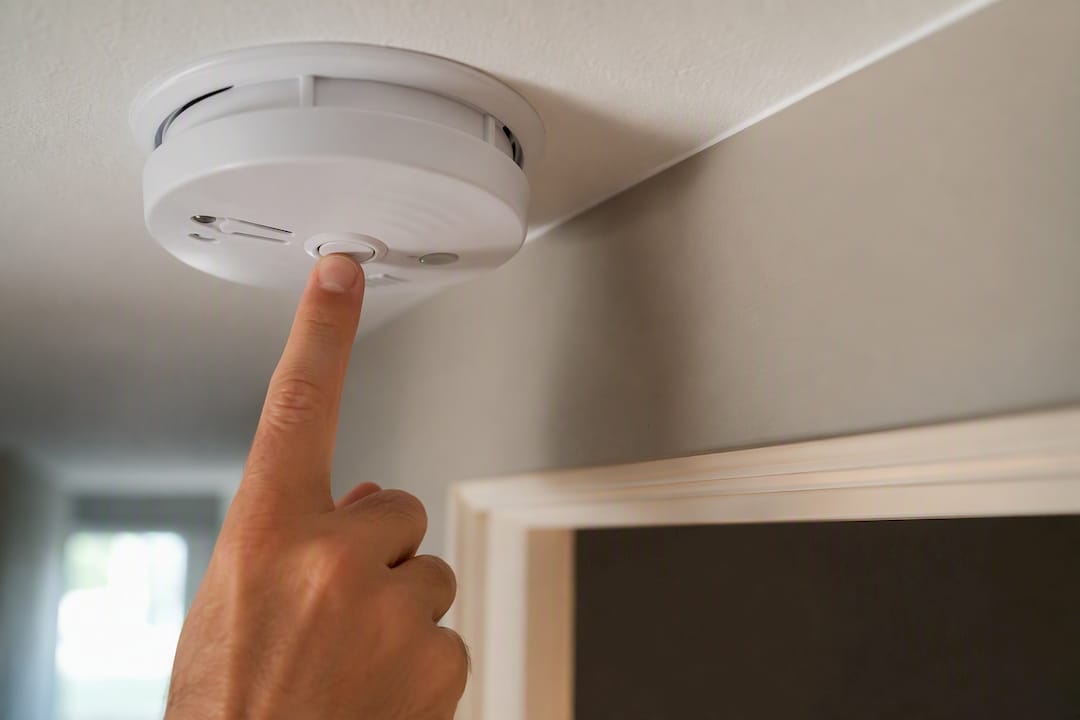
Compliance isn't a one-off event. Tenants can run a simple monthly button test themselves, but that's no substitute for a professional inspection at the start of a tenancy and an annual check thereafter.
A Certificate of Compliance should be issued whenever a licensed electrician installs or replaces an alarm. That certificate, alongside the installer's name, licence number, installation date, unit serial numbers, and photos, forms your evidence file. Store it with your tenancy records, not in a separate maintenance folder that's harder to locate under pressure.
Why the paperwork matters:
- SACAT reviews lean heavily on dated, documented evidence when a dispute touches on maintenance obligations.
- Insurers may reduce or deny a claim following a fire if you can't demonstrate the alarms were compliant and tested.
- Fines under Regulation 95 run up to $750, separate from any expiation fee, and that's before broader tribunal costs.
The Law Society of South Australia notes that landlords carry an ongoing duty to keep premises in a reasonable state of repair throughout the tenancy, not just at the start. A single certificate filed on move-in day doesn't cover you for year three of a lease. If you want a sense of how record-keeping templates work in practice, this landlord safety record template shows the level of detail worth capturing, even though it's built for a different jurisdiction's gas checks.
Choosing a provider: questions to ask and red flags to avoid
Not every supplier advertising smoke alarm services will hand you compliant paperwork. Before you sign anything, put these questions to the provider or property manager directly.
- Ask for the exact alarm model and written confirmation it meets AS 3786.
- Request the installer's electrical licence number and a sample Certificate of Compliance so you know what you'll receive.
- Confirm who owns the alarm units and who's responsible for replacing them at the end of their 10-year life.
- Nail down emergency call-out arrangements and realistic response times, not vague promises.
- Walk away from any supplier who hesitates to commit to certificates or can't describe their record-keeping process clearly.
Pro Tip: If a provider can't produce a sample compliance certificate on the spot during a sales call, treat that as your answer. A legitimate operator has this documentation ready before you ask.
Subscription services can genuinely simplify life for landlords who can't attend the property themselves, since they often coordinate tenant access and certificate delivery as part of the package. That convenience only holds up if the paperwork behind it is solid.
HOSO perspective: why managed compliance matters for Adelaide landlords
Most landlords treat smoke alarm compliance as a box to tick once and forget. That's the exact gap that shows up at SACAT, months or years later, when a tenant or insurer asks for proof and nobody can find it.
Delegating this to a managed process closes that gap. When smoke alarm checks are tied into routine property inspections, the certificate, serial numbers, and photos land in a digital file the landlord can access anytime, rather than sitting in an inbox somewhere. For an Adelaide investor with a property in Prospect and another in Glenelg, that consistency matters more than which brand of alarm is on the ceiling. The workflow does the heavy lifting: arrange access, get the licensed electrician in, certify the work, log it. Nothing depends on memory.
— HOSO
How HOSO Real Estate handles smoke alarm compliance for Adelaide landlords
HOSO Real Estate is the alternative to juggling separate tradespeople, spreadsheets, and reminder emails for every compliance task across your portfolio. Our maintenance coordination and compliance management folds smoke alarm checks into the same routine inspections we already run, so nothing gets missed between tenancy changes.
When a compliance visit is arranged, it includes certified electrician work, digital records, and integrated reporting through an owner portal, viewable anytime rather than chased up by phone. That's a meaningful difference for interstate and overseas landlords who can't attend a property themselves but still carry full legal responsibility for it. If you're weighing up whether your current arrangement stacks up, start with a rental appraisal and we'll talk you through where your compliance position sits today.
Sources
This article is general information, not a substitute for advice from a qualified lawyer. Consult a qualified legal professional about your own circumstances before acting on anything here.
FAQ
What is the legal requirement for smoke alarms in South Australia?
South Australian homes must have working smoke alarms that meet AS 3786, placed to give reasonable warning to sleeping occupants under Regulation 76B. Landlords carry legal responsibility for ensuring alarms are fitted and working, with penalties up to $750 plus an expiation fee for non-compliance.
What is the legal requirement for smoke alarms in Australia generally?
Requirements vary by state, but every jurisdiction mandates working, compliant smoke alarms in residential dwellings, with the property owner or landlord typically holding responsibility. South Australia specifically requires AS 3786-compliant alarms with power sources depending on when the dwelling was built or purchased.
How many smoke alarms do you need in a house in South Australia?
There's no fixed number. The Metropolitan Fire Service says the right count depends on your property's size and layout, with the test being whether occupants get reasonable warning in sleeping areas. A licensed electrician or compliance service can assess this on site.
Who is responsible for smoke alarms in rented properties?
The landlord is responsible for supplying, installing, and maintaining compliant smoke alarms throughout the tenancy, not the tenant. This holds whether you own the units outright, rent them through a subscription service, or delegate the task through a managed compliance arrangement like HOSO Real Estate's maintenance coordination.
Can I rent a smoke alarm instead of buying one for my SA rental?
Yes. Renting or subscribing to a smoke alarm service is an accepted way to meet SA compliance, provided the units meet AS 3786 and a licensed electrician handles installation. You still need to keep the Certificate of Compliance and installation records regardless of whether you own or rent the equipment.