
Yes, furnished rentals are available across Adelaide in short-term, monthly and serviced formats. Before you book or sign anything, decide the stay length you actually need and insist on a detailed inventory and condition report. Landlords should prepare an audited inventory and a clear ingoing report to protect their bond and reduce dispute risk under South Australian tenancy law.
TL;DR:
- Furnished rentals in Adelaide are categorized as short-term, monthly, or serviced apartments, with legal protections mainly applying to the latter two types.
- An itemized inventory with detailed photos and condition grading is crucial for protecting landlords' bonds and resolving disputes under South Australian law.
- Virtually all furnished rental agreements are governed by the Residential Tenancies Act 1995 (SA), which mandates written agreements, bond handling, and repair responsibilities.
- Proper documentation, including inventories, manuals, and inspection reports, significantly reduces dispute risks and should be completed before tenants move in.
- Professional management adds value by ensuring compliance, detailed record-keeping, and efficient handling of turnover, especially for high-value or complex furnished properties.
Table of Contents
- What types of furnished rentals are available in Adelaide?
- What South Australian tenancy laws apply to furnished rentals?
- How do you protect a furnished property with proper inventory and inspection?
- What should you check before signing or listing a furnished rental?
- Why professional management matters for furnished rental portfolios
- How HOSO Real Estate supports owners of furnished properties in Adelaide
- Sources
What types of furnished rentals are available in Adelaide?
Furnished rentals in Adelaide fall into three broad categories, and knowing which one you're looking at changes your legal position, not just your comfort level.
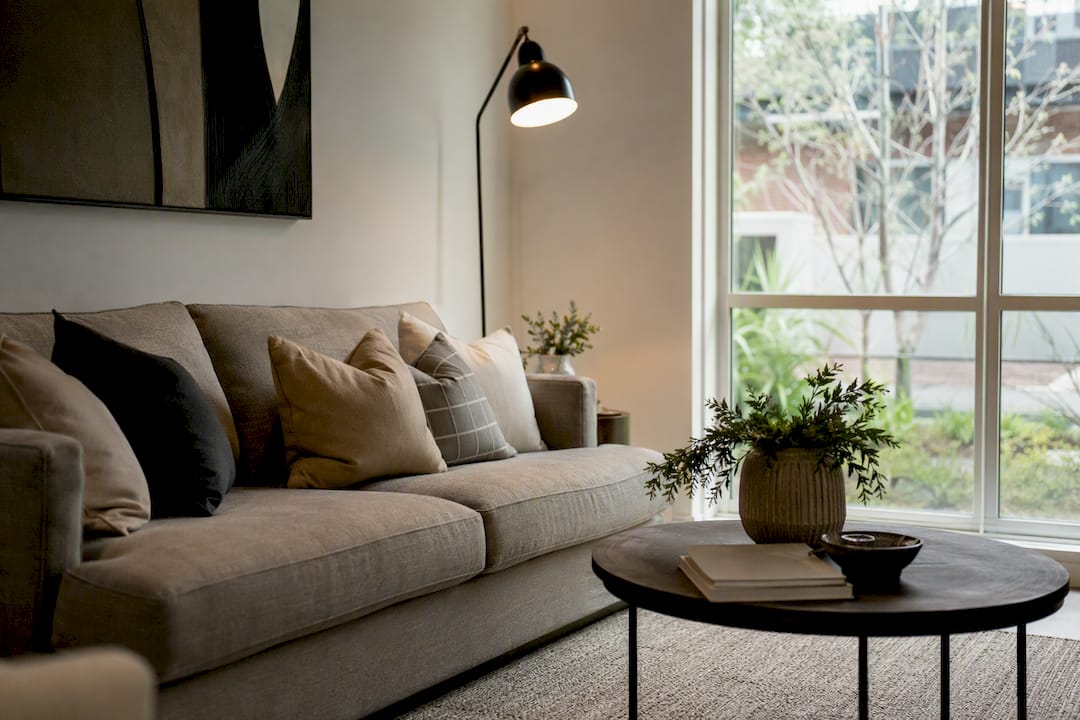
Short-term furnished lets run from a few days to a few weeks and behave like holiday accommodation. Cleaning is often included on a flexible schedule, and the whole arrangement is built around convenience rather than permanence. Genuine holiday premises can sit outside the Residential Tenancies Act 1995 (SA), but that exemption depends on the actual length and form of the contract, not just what the listing calls itself. A booking that stretches on month after month starts to look like a residential tenancy in substance, whatever the paperwork says.
Monthly and longer furnished lets typically run 28 days or more, or convert into a periodic tenancy. These are usually covered by the Act, which means a proper written agreement, bond handling rules and the standard tenancy protections apply. If you're comparing furnished vs unfurnished Adelaide options for a medium-term stay, this is the category most professionals and relocating families land in.
Serviced apartments sit closer to hotel-style living, with regular housekeeping and sometimes a reception or concierge presence. They suit corporate housing Adelaide needs particularly well, but the line between "included service" and "tenant responsibility" can blur. Ask specifically how consumables, minor repairs and cleaning frequency are handled before you sign.
Whichever category you're considering, confirm these inclusions upfront:
- A full furniture list, room by room
- Kitchen equipment and appliance brands and models
- Linen, towels and whether they're laundered or supplied once
- Broadband or NBN connection status and provider
- Utilities: whether they are included or billed separately
- Cleaning schedule and who supplies consumables like light bulbs or filters
- Access to appliance manuals or manufacturer spec sheets
Vague answers to any of these are a warning sign, whether you're eyeing extended stay rentals in the CBD or a furnished house in Norwood.
What South Australian tenancy laws apply to furnished rentals?
The Residential Tenancies Act 1995 (SA) governs most residential tenancies in this state, furnished or not. Genuine short-stay holiday premises can sit outside it, and some brief commercial arrangements are also excluded, but the exception is narrower than most listings imply.
Bond arrangements deserve particular attention with furnished stock. These aren't negotiable extras. The Residential Tenancies Act 1995 (SA) sets several terms as implied by law, meaning a landlord can't contract out of them even if both parties agree to different wording in a private lease.
In practice: SACAT guidance treats documentation quality as the single biggest factor separating landlords who win disputes from landlords who lose them, particularly where furnished properties are involved.
On maintenance, the default position is straightforward: landlords are responsible for repairs unless an item is explicitly listed as excluded in the tenancy agreement, and any supplied appliance should come with its operational manual. Tenants carry the obligation to report faults promptly rather than letting minor issues become bigger, more expensive ones. If a dispute does arise, Consumer and Business Services offers tenancy advice through CBStenancyadvice@sa.gov.au or 131 882, and it's worth using that channel before positions harden on either side.
For a fuller breakdown of what the Act requires at lease signing, HOSO Real Estate's guide to Adelaide rental compliance requirements covers the statutory terms landlords can't skip.
How do you protect a furnished property with proper inventory and inspection?
An itemised inventory is the single strongest asset-protection tool a landlord has for furnished stock, and it costs nothing but time to get right.
- List every item individually. Furniture, electronics, crockery, cushions, even the humble toaster. Vague descriptions like "kitchenware" invite disputes later.
- Photograph from multiple angles. A wide shot plus a close detail per item is the standard SACAT-endorsed approach, and timestamped images carry more weight than undated ones.
- Grade the condition of each item. Use a consistent scale such as New, Excellent, Good, Fair or Requires Repair, applied the same way across the whole property.
- Supply manuals and records. Give tenants appliance manuals directly, and keep purchase receipts or service records where you have them. These help separate genuine wear from actual damage if a claim ever comes up.
- Set a clear repair reporting channel. Agree upfront who tenants contact for maintenance issues and what threshold requires landlord approval before a contractor is engaged.
- Schedule routine inspections. Regular, proactive checks catch small problems, like a loose cabinet hinge or a slow drain, before they become insurance claims or SACAT matters.
Pro Tip: Keep one master copy of the inventory and condition report, and give the tenant their own signed copy on the day they move in. A dispute six months later almost always comes down to whose paperwork is more complete.
For a deeper walkthrough of building this documentation properly, see HOSO Real Estate's guide to property condition report best practices, and for ongoing upkeep, the maintenance scheduling guide sets out sensible inspection frequency for furnished properties specifically.
What should you check before signing or listing a furnished rental?
Whether you're inspecting a furnished apartment in Glenelg or preparing your own property near North Adelaide for market, a structured checklist beats a gut feeling every time.
If you're the tenant, confirm:
- The full inventory list matches what's physically in the property
- Every appliance actually powers on and functions correctly
- What services are included: cleaning frequency, linen changes, wi-fi
- Locks, smoke alarms and other safety features work
- No excessive wear beyond what's noted in the condition report
- You've received your own copy of the ingoing condition report
If you're the landlord preparing a listing:
- Complete an audited, itemised inventory before the first viewing
- Take high-quality, well-lit photographs of every room and major item
- Have appliance manuals ready to hand over at lease signing
- Write clear terms on what utilities and cleaning are included
- Document recent maintenance work as proof of upkeep
At inspection, ask directly about tenancy duration flexibility, notice periods, and exactly how repair requests get processed. Vague answers here tend to predict vague answers later. When you're ranking several furnished homes for rent against each other, three criteria cut through the noise fast: does the stay length actually fit your need, do the inclusions match what you expected, and is the inventory and inspection documentation genuinely thorough. A beautifully staged apartment with a sloppy condition report is a bigger risk than a plainer one with airtight paperwork.
Why professional management matters for furnished rental portfolios
Furnished properties carry more risk than unfurnished ones, simply because there's more to inventory, more to maintain and more that can be disputed at end of tenancy. HOSO Real Estate manages this through structured property management: tenant leasing, routine inspections, maintenance coordination and compliance management built around South Australian tenancy requirements rather than generic templates.
The approach centres on documentation discipline. A proper ingoing inventory, graded condition reports and time-stamped photography aren't paperwork for their own sake. They're what determines who's protected if a dispute ever reaches SACAT. Getting this right at the start of a tenancy is far cheaper, in time and stress, than reconstructing it after a bond dispute has already begun.
Professional management earns its place particularly for landlords with frequent tenant turnover, interstate or overseas owners who can't attend inspections themselves, high-value furnished assets, or properties with genuinely complex inventories. Interstate owners face an added wrinkle too: coordinating a SACAT matter from Sydney or Perth is harder than it needs to be, which is exactly the kind of friction a local Adelaide manager removes.
— HOSO
How HOSO Real Estate supports owners of furnished properties in Adelaide
Managing a furnished property well means staying ahead of asset protection, compliance and reliable occupancy, not scrambling to fix gaps after a tenant has already moved in. HOSO Real Estate is a local Adelaide specialist built around exactly this: property management, tenant leasing, inspections and maintenance coordination handled with the documentation rigour furnished stock genuinely needs.
If you own a furnished property in Adelaide, whether it's a serviced apartment in the CBD or a fully furnished house in the Adelaide Hills, a properly audited inventory and compliant tenancy agreement are the two things standing between you and a messy SACAT dispute. HOSO Real Estate's property management and leasing services are built to handle both from day one. If you'd like to see the calibre of stock currently under management, HOSO Real Estate's recently leased properties reflect the same standard applied to every furnished listing. Get in touch for a rental appraisal and find out what proper asset protection looks like for your portfolio.
Sources
- Sa
- Parties' rights disputes - SACAT
- Residential Tenancies - Law Handbook SA
- Residential Tenancies Act 1995 (SA) - AustLII